South Pacific, Costa Rica
With the largest prehistoric rainforest along the Central American Pacific, Costa Rica's Osa Peninsula (Peninsula de Osa) is one of the most beautiful and biologically diverse locations on the planet. With few entry points, this jewel of Costa Rica remains relatively isolated, and it receives fewer visitors than many other parts of the country. Miles of uninhabited beach and the enormous Corcovado National Park make this southern tip one of Costa Rica's most stunning regions. Friendly people, amazing flora and fauna, and active rainforests all contribute to the South Pacific experience.


Due to the South Pacific's geographic location, high humidity and rainfall keep its vegetation flourishing year round. The scarcely populated region receives almost 200 inches (508 cm) of rainfall per year, and visitors should get ready to explore some wet and humid terrain!
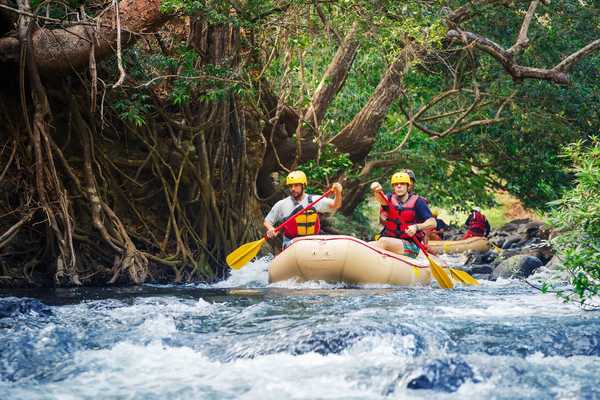
While the region's valleys were once home to thriving banana plantations, much of the area is covered with dense rainforest, presenting some of the best wildlife-viewing opportunities imaginable. Traveling through the region, visitors can view an abundance of mangroves and estuaries along the coastline. A wealth of rivers supplies the area with amazing biodiversity and excellent white-water rafting, and the region's endless eye-catching views and captivating sunsets ensure for an insurmountable experience.
While you're in the Osa Peninsula, visit the Corcovado National Park to explore this untamed wilderness with a guide. Corcovado National Park covers 164 square miles (424 sq km), and is one of the most colorful and noisy rainforests in all of Costa Rica.On a trek through the Corcovado rainforest you will walk in the shade of over 500 species of tree. Some of these trees have gigantic leaves that look as though they are from an era when dinosaurs roamed the Earth. There's a good chance you will encounter the ceiba, a rare type of tree with buttressed roots, a long trunk, and a wide canopy high above the ground. You can encounter 400 species of birds along these trails, including the famed scarlet macaw. Your guide will point out hard-to-spot plants and animals, and tell you which plants are edible.
The Osa Peninsula has two main towns, Puerto Jimenez and Drake Bay. Altogether Osa has a population of approximately 5,000 people. Accommodations and tour companies here work hard to make sure their services don't damage the surrounding environment. This type of tourism is referred to as "rural tourism" or "community tourism," and it allows visitors to safety visit a delicate eco-system. Your visit here will also help support the small population of locals.
Costa Rica's South Pacific Region also contains Coco Island (Isla del Coco,) a remote island located 300 mi (480 km) offshore. The island harbors almost 9 mi^2 (24 km^2) of pristine natural wilderness within Coco Island National Park (Parque Nacional Isla del Coco), and research at the Park is dedicated to evolution of local plant, animal, and insect species, many of which are endemic to the area. Excursions to the island can be taken by boat or plane from various launch points on the Osa Peninsula. A trip to Coco Island is perfect for avid scuba divers who wish to marvel at the manta rays, whale sharks, and hammerheads that frequent Coco's beautiful waters.
Back on the mainland, the base of the South Pacific Region lies along the Pan-American Highway, a primary entry route for cars and buses. However, you can also reach the South Pacific by traveling along Highway 34, which runs down the scenic Pacific coast. The important city of Palmar Norte is a main hub for southern Costa Rica. It lies north of the Osa Peninsula, and it is a good 6-hour drive from San Jose. Adjacent to Palmar Norte, sits the tiny domestic airstrip of Palmar Sur, which receives daily flights from San Jose. Many of the main destinations around the Osa Peninsula also have airports. Flights to these airstrips will make the trip faster and more convenient, but it will also be more expensive. Southeast of Palmar Norte, in the small village of Chacarita, you can find a single road (245) that winds its way around the Dulce Gulf (Golfo Dulce). It ends in the isolated town of Carate on the border of Corcovado National Park. Here you will find endless white-sandy beaches in both directions. Carate seems to lie at the very edge of civilization; get ready for a taste of the final frontier!
Costa Rica Osa Peninsula Rainforest Treks
The Osa Peninsula is one of the most biologically diverse places in the world. Thousands of rare species make their home in the rainforest here. While you're in the Osa Peninsula, visit the Corcovado National Park to explore this untamed wilderness with a guide. Corcovado National Park covers 164 square miles (424 sq km), and is one of the most colorful and noisy rainforests in all of Costa Rica.
On a trek through the Corcovado rainforest you will walk in the shade of over 500 species of tree. Some of these trees have gigantic leaves that look as though they are from an era when dinosaurs roamed the Earth. There's a good chance you will encounter the ceiba, a rare type of tree with buttressed roots, a long trunk, and a wide canopy high above the ground. You can encounter 400 species of birds along these trails, including the famed scarlet macaw. Your guide will point out hard-to-spot plants and animals, and tell you which plants are edible.
The Osa Peninsula has two main towns, Puerto Jimenez and Drake Bay. Altogether Osa has a population of approximately 5,000 people. Accommodations and tour companies here work hard to make sure their services don't damage the surrounding environment. This type of tourism is referred to as "rural tourism" or "community tourism," and it allows visitors to safety visit a delicate eco-system. Your visit here will also help support the small population of locals.
Members of the community have made it their mission to introduce visitors to their independent way of life. In Rancho Quemado for example, Juan Cubillo has set up a gold mining tour that demonstrates how Osa communities have been able to make a living off of the minerals that are just below the ground. In another rural tourism project, the Villalobos family offers hikes to pristine swimming holes and hours of exploring typically off-limits parts of the Osa, within their 1000 acres (400 ha) of private rainforest. In another community called Dos Brazos de Rio Tigre, Xiña Umaña will take you one and a half hours upstream to explore her farm, and spend the night in her mountainside cabin on the outskirts of Corcovado National Park.

Hiking up to Xiña Umaña’s cabin in Dos Brazos de Rio Tigre.

Juan Cubillo next to his mining tent tent during the ‘Finca las Minas’ tour.

Exploring Laguna Chocuaco in hopes of seeing upwards of 13 species of birds.

A not so rare ‘bird tree’ sighting.

The Osa in all its glory - a Ceiba tree.
Personalized Trips for South Pacific, Costa Rica
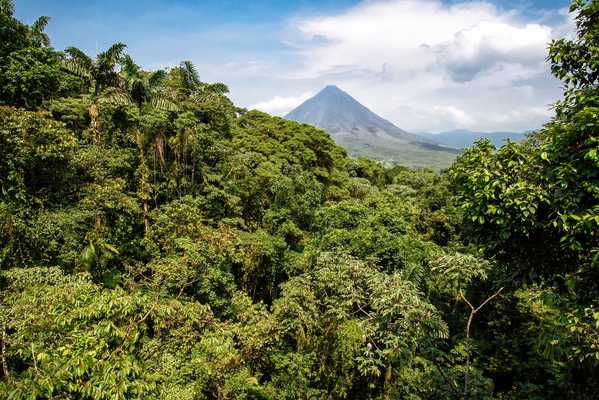
Customer Reviewed We were very impressed with Costa Rica's sustainability and emphasis on being environmentally conscious.
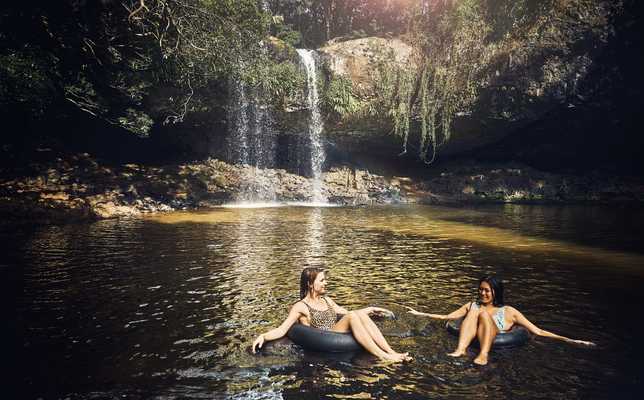
Customer Reviewed I did not meet one unfriendly person. Everyone was friendly and helpful. I loved the experience of Costa Rica!
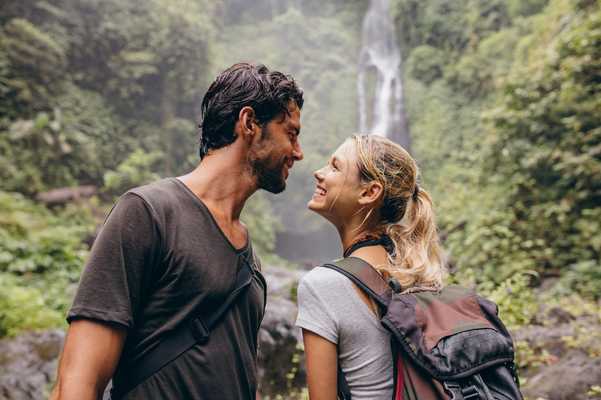
Customer Reviewed We loved Costa Rica! From the start of our journey to the end, we were truly amazed with the ecology,wildlife viewing, breathtaking scenery, friendly people and overall unspoiled natural setting. We will definitely be back.
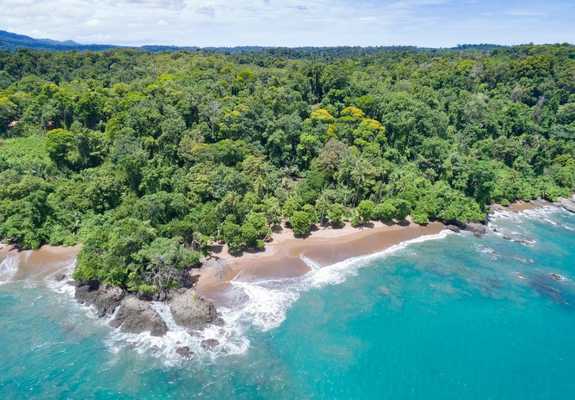
Customer Reviewed We visited three very different parts of Costa Rica—Monteverde, Manuel Antonio, and Drake Bay. Tracy at Anywhere.com was wonderful! Very responsive, proactive, and helpful!
Customer Reviewed Costa Rica has really got itself well organised for tourism, the service was spot on, the travel timing accurate ( although some of the roads were really poor, pot holed). Hotels and activities are really geared for tourists and they made us feel welcome.


