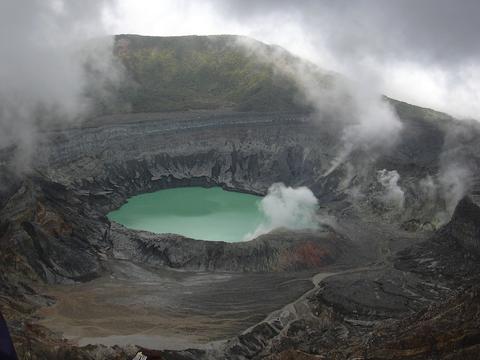
San Jose, Costa Rica
"Chepe," as the city is referred to by locals, is the capital city of Costa Rica and a hub for modern Costa Rican culture. It's also where most visitors depart for tours of central Costa Rica's volcanoes and coffee plantations. Before you leave, take a fun-filled tour of the city's monuments and parks, and maybe sample the burgeoning craft beer scene.
.jpg?q=75&type=jpeg&w=480)


San José transitions from a commercial block of department stores, chic cafés, and fast-food establishments to the haphazard residential areas characteristic of Latin America. Because it is such a large city, tourism services are the most extensive in the country. While the city is not a top destination for visitors, San José has a few attractions for visitors to consider, as well as numerous restaurants, museums, outdoor markets, and parks.
Another attractive characteristic of San José is its temperate weather, which can be quite a relief, particularly during the summer months. Because of its relatively high elevation—3,839 feet (1,170 m)—the city, like the rest of the Central Valley, is always a pleasant temperature year-round, with very limited showers.
Population in San José exploded during the latter half of the twentieth century, following the Second World War. Today 309,672 people—2000 estimate—call the San José canton home and a million more live in surrounding suburbs, comprising about 40 percent of the nation’s total population. Historically San José was only a small village that came to prominence because its fertile soil made for excellent farming. Two years following independence from colonial Spain (1821), the joint Republican strongholds of San José and Alajuela defeated the pro-Mexican Democrats of Heredia and Cartago—the previous capital—in a brief civil war that established San José as the capital of the burgeoning nation.
The introduction of coffee to the Central Valley in the early nineteenth century fueled San José’s prosperity as the city embraced capitalism. An urban merchant class rose as the result of coffee trade, who looked to Europe as an architectural muse.
Because of its relatively late start in terms of development, San José is mostly devoid of antique colonial architecture and the typical stand-out monuments found in other Latin American cities. Rarely is a building more than 100 years old. Instead, plentiful World War II-era buildings fill the city’s skyline, eliciting a feeling that San José is still in its infancy — a growing municipal center that largely retains a small town vibe.
The vast majority of visitors spend no more than a couple days here, before departing for the picturesque beaches and national parks that have defined Costa Rica as a premier tourist destination. The city’s central location makes it ideal for traveling to such destinations, as well as its extensive transportation services—buses leave to just about anywhere throughout the day, and Juan Santamaría International Airport offers flights to the rest of the nation’s airstrips.
Accommodations are extensive as in any big city. Reservations should be made three months in advance during the last few weeks of December as hotels space quickly fills up. Many of the city’s budget hotels are just west of downtown, near Center Street (Calle Central). Home-stays are also an option for those looking to immerse themselves effortlessly into the culture.
Downtown San Jose
Most visitors flock to the city’s downtown, negotiating the bustling urban gridiron, using the pedestrian-only Central Avenue (Avenida Central) for reference.
Culture Plaza (Plaza de la Cultura) provides an ideal location to begin exploring the city’s urban attractions, although is not of much interest in itself. The plaza is a central meeting point for locals and foreigners alike. Ongoing street acts provide for great public entertainment, amidst the park’s overall tranquility. Nearby National Theater, Gold Museum, and the Tourism Information Office (ICT) are the main reason for stopping by.
South of the plaza is the National Theater (Teatro Nacional), considered by most to be San José’s most remarkable edifice. Constructed in the 1890’s, the theater is a prominent center of tico culture. Support for a grand opera house was galvanized following the refusal of Italian opera singer Adelina Patti to perform in Costa Rica, which the prima donna attributed to poor facilities. Irate coffee barons lobbied for a tax on coffee exports to fund the construction of a new venue.
The exterior of the National Theater is stylish, yet somewhat lacking in inspiration. However, the building’s interior is quite spectacular—the marble staircases, golden ceilings, and patterned wood floors alone are worth the visit.
Below Culture Plaza, in the basement of ICT, lies the Pre-Columbian Gold Museum (Museo de Oro Precolombino) that houses a collection of ancient gold pieces and trinkets. Also of interest is the attached Numismatic Museum (Museo Numismático), which displays pre-Columbian currencies from centuries past.
Between Avenida 2 and 4 on Calle Central is the bustling Central Park (Parque Central) where city dwellers rendezvous and socialize. To the north is the prominent Melico Salazar Theater—named after the famous Costa Rican tenor—and Soda Palace, a lively 24-hour restaurant that is frequented by local intellectuals. East of Parque Central is the unremarkable neoclassical Metropolitan Cathedral (Catedral Metropólitano), which was built in 1871.
Northeast of Central Park is Morazán Park (Parque Morazán), which encompasses four city blocks. The dome-shaped Temple of Music lies at the park’s center, the intersection of Calle 7 and Avenida 3. An authentic Japanese garden and other statues can be found within the park.
Adjacent to the Morazán Park is Spanish Park (Parque España), a tranquil bastion of tall trees from which birds perch and sing throughout the day, reaching their apex at dusk. The Belgium made Metallic Building (Edificio Metálico) lies to the northwest—a striking attraction that required years of assembly and today houses a school.
North of Morazán is the Jade Museum (Museo de Jade), perhaps Costa Rica’s most outstanding museum. Home to the largest collection of American jade in the world, this is one museum that visitors should not overlook. Other ceramic exhibits, stonework, and gold pieces complete the museum, which are arranged according to the specific cultural region from whence they came. Located on the eleventh floor of the impressive glass INS Building, the museum offers expansive views of the surrounding cityscape as well.
One of the inner-city’s largest open areas, Democracy Plaza (Plaza de la Democracia) is located in downtown’s east. A statue pays tribute to Jose Maria "Don Pepe" Figueres, the father of Costa Rica’s modern democracy. The National Museum (Museo Nacional) lies to the east, within the bullet riddled Bellavista Fortress, an ex-army headquarters. The museum houses a number of historical exhibits, including jade, gold, and colonial art. Kitty-corner from Plaza de la Democracia is the Moorish style National Palace (Palacio Nacional), where the nation’s legislative assemblies are held.
The pleasant National Park (Parque Nacional), located in east San José, is the city’s largest inner-city park. At the park’s center is the National Monument, which depicts Central American regulars driving out the filibuster William Walker. A statue of Juan Santamaría, a national hero, is located to the park’s southwest. The National Library (Biblioteca Nacional), the country’s central library, covers the northwest portion of the park. The National Center of Art and Culture (Centro Nacional de Artes y Cultura) hosts several art galleries, as well as a theater.
West San Jose
The avenues broaden west of downtown, revealing open spaces and even the occasional tree or garden, as the city’s density gradually declines. The general bustle of the main-drag, Paseo Colón, makes its way past the General Cemetery, an elegant collection of headstones that deserve the attention of passers-by. Families gather on All Souls Day and All Saints Day to commemorate deceased love ones.
Up ahead is the tranquil Savannah (Sabana) Metropolitan Park, a wonderful place to escape the commotion of downtown. Woodlands and large open spaces comprise the enormous park that was once the city’s main airport. Its wide open spaces serve the recreationally inclined—kite flyers and soccer players. Also within the park is the National Gymnasium, a venue for large pop concerts; the biggest mainstream names play shows here for mass audiences. National Stadium lies to the south, hosting everything from soccer games to presidential inaugurations. Nearby are courts for volleyball, tennis, basketball, as well as fields for soccer and baseball, and an Olympic-size swimming pool.
The Museum of Costa Rican Art is housed in the old airport traffic control tower, displaying a number of works from tico painters and sculptors. French artist Luis Ferrón constructed the Salon Dorado, whose metal relief mural depicts the history of Costa Rica.
Located in the southwest quadrant of the park is La Salle Natural Science Museum, featuring a number of exhibits related to zoology, archeology, as well as the nation’s only paleontology exhibit. Exhibits are mainly artificial recreations of fauna, however, a live exhibit does host some intriguing wildlife.
San Jose Personalized Trips
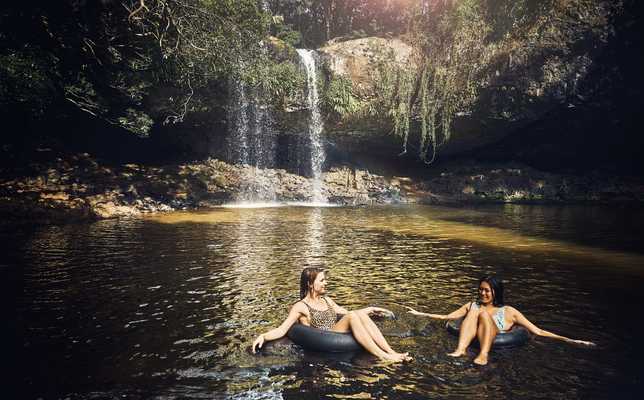
Customer Reviewed I did not meet one unfriendly person. Everyone was friendly and helpful. I loved the experience of Costa Rica!
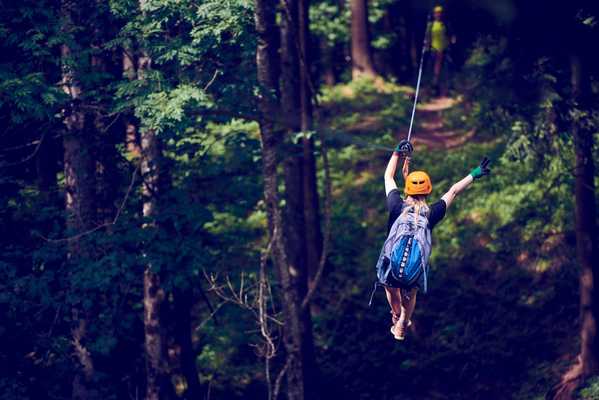
Customer Reviewed I love Costa Rica and plan to return.
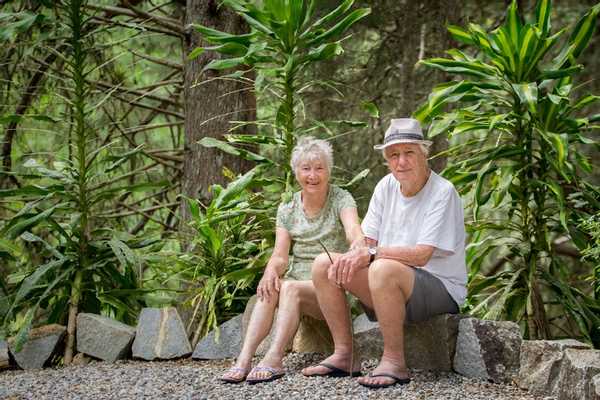
Customer Reviewed We had a wonderful trip. All arrangements were handled promptly and on time. With howler monkeys outside our windows and being able to walk right onto the beach, it doesn’t get better than this.
Customer Reviewed Our favorite part of the trip was experiencing all of the wildlife, monkeys, birds, butterflies and the scenery was GORGEOUS! Each portion of our two-week stay went according to plan, and we have many fond memories for our next trip!
Customer Reviewed Costa Rica is a beautiful country full of beautiful people. When talking about Costa Rica with my mom/travel partner, she said "Is that someplace people go?". After our first day there all her worries were alleviated by all of the wonderful and helpful people we met.
San Jose Things to Do
Check out more tours and activities in San Jose.